On the wings of a bird……

Morecambe bay is a stunning natural landscape and plays host to some fantastic bird life.
Sandy Bay lies right on this beautiful coastline and has direct gated access onto the coastline, this offers the perfect base to maximise opportunities for bird watching out into the bay. This unique habitat serves as an essential habitat for a range of migratory birds. The area is designated as a Site of Special Scientific Interest (SSSI) ensuring that these critical habitats are protected for years to come.
In spring and autumn, visitors can witness an impressive variety of wading birds and shorebirds, including curlews, oystercatchers, and dunlins, as they feed on the rich array of invertebrates that thrive in the mudflats.
Starlings are often spotted over the bay. These pretty birds with their shimmering feathers often flock together to perform mesmerizing aerial displays. It is thought that they do this for multiple reasons; to keep warm, to ward of predators, to communicate. Whatever the reason, it is breathtaking to watch. The best time to spot them is on a quiet, clam evening an hour or so before sunset.
Waxwings aren’t common across the whole of the UK but we’re lucky enough to see them around the bay. They don’t breed here, they just pop over from Scandanavia for their winter hols, but they absolutely love berries so can often be spotted eating hawthorn, elder & rowan berries. They’re not big birds but are quite brightly coloured and fairly easy to recognise by the tuft of feathers on the top of their head.
Curlews can be identified by their distinctive call, which can be heard along the sea wall. They are the largest European wading bird and thrive in open moorlands, or rough pastures and the UK is home to one quarter of the world’s curlew population. You can still see, and hear, them around the Morecambe Bay coastline.
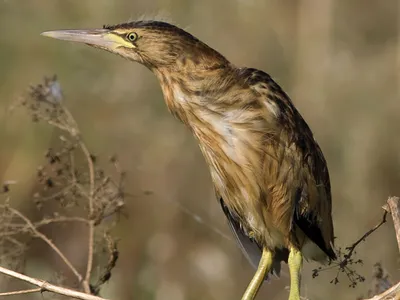
The Bittern is tricky to spot. Their call is a strange ‘booming sound’, that doesn’t sound like a bird call at all. They are well camouflaged, and have a look of a stripy heron.
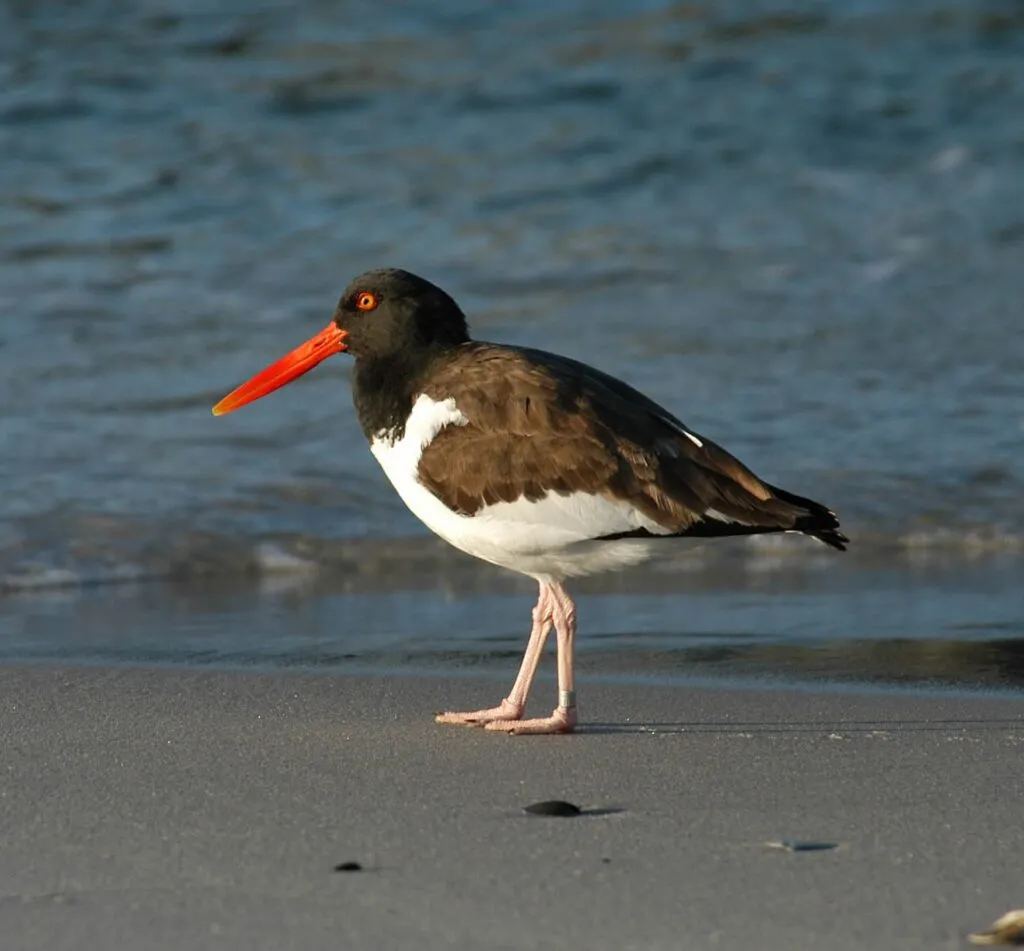
Oystercatchers are easy to spot at high tide. As the tide rises they gather along the shoreline, patrolling for cockles and mussels. They are black and white with a bright red beak.
Greylagg Geese are not rare, but they are wonderful to watch throughout the autumn as they come and go around the bay in their distinctive V formations. It is quite a sight if you’re near them as they gather for takeoff and it’s hard to believe that the chaos of noise, water and flapping quickly turns into one of nature’s most efficient migration patterns.
For birdwatching enthusiasts, there’s nothing quite like the experience of observing these magnificent creatures in their natural habitat. With an array of vantage points and paths along the coastal path right alongside Sandy Bay, the opportunities to connect with bird life are abundant. If you are a nature and conservation enthusiast, Sandy Bay is the perfect place to own a holiday home.